Embracing the Essence of Knowing
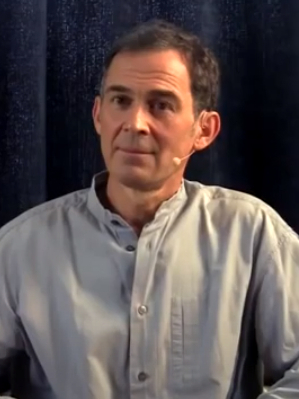
Rupert Spira's profound statement, "Stay as the knowing of experience, not the experiencer," invites us to shift our focus from the tumultuous waves of our experiences to the still, unchanging ocean of awareness that underlies them. This distinction is not merely philosophical; it is a transformative practice that can lead us to a deeper understanding of our true nature. By recognizing ourselves as the witness of our experiences rather than the experiencer, we open the door to a more profound sense of peace and clarity in our lives.
In a world that often encourages us to identify with our roles, emotions, and experiences, this teaching serves as a gentle reminder of the essence of our being. It challenges us to disentangle our identity from the transient events of life, urging us to recognize the eternal witness that observes without judgment or attachment. This shift in perspective is not only liberating but also essential for cultivating a deeper sense of connection with ourselves and the universe.
The image / the metaphor
The imagery in Spira's quote evokes a sense of spaciousness and detachment. The term "knowing" suggests a state of awareness that is both active and passive; it is the recognition of experience without being ensnared by it. The word "experiencer," on the other hand, implies a personal identity that is often laden with expectations, desires, and fears. By inviting us to "stay as the knowing," Spira encourages us to inhabit a space of pure awareness, where experiences arise and dissolve like clouds in the sky, leaving the vastness of consciousness untouched.
In the speaker's tradition
Rupert Spira's teachings are rooted in the non-dual tradition, which emphasizes the fundamental unity of all existence. Concepts such as *advaita* (non-duality) and *sunyata* (emptiness) resonate deeply with the essence of his message. In this context, the knowing of experience aligns with the idea of *prajna*, or wisdom, which transcends the dualistic perceptions of self and other. By recognizing ourselves as the knowing, we begin to dissolve the illusion of separation and embrace the interconnectedness of all beings.
In his work, Spira often draws upon the teachings of Advaita Vedanta, which speaks to the nature of consciousness as the ultimate reality. A relevant text in this tradition is the *Upanishads*, which explore the relationship between the individual self (*atman*) and the universal consciousness (*Brahman*). The *Upanishads* remind us that our true essence is not confined to our personal experiences but is, in fact, the very fabric of existence itself. This understanding invites us to live from a place of knowing rather than identification, fostering a sense of peace and liberation.
Living the teaching
Consider a modern scenario where this teaching can be applied: imagine navigating a challenging work environment filled with stress and competition. In such moments, it is easy to become entangled in the role of the experiencer, reacting to pressures and judgments. However, by practicing the art of staying as the knowing, one can observe these experiences without becoming overwhelmed. This shift allows for a more measured response, fostering clarity and resilience amidst chaos.
In the realm of relationships, this teaching can also illuminate our interactions with others. When conflicts arise, we often identify strongly with our perspectives and emotions, leading to misunderstandings and discord. By embodying the witness, we can step back and observe the dynamics at play, recognizing that our true essence is not defined by these temporary exchanges. This practice cultivates compassion and understanding, allowing us to engage with others from a place of love rather than reaction.
A reflection
As we contemplate Spira's invitation to "stay as the knowing of experience," we are called to explore the nature of our own awareness. What does it mean to witness our lives without attachment to the roles we play or the experiences we encounter? In this moment of reflection, consider: how might your life transform if you embraced the essence of knowing rather than the identity of the experiencer?



Join the BrightStar Community
Stay connected with daily inspiration, event announcements, and community wisdom