The Essence of Reality: Unveiling the Self
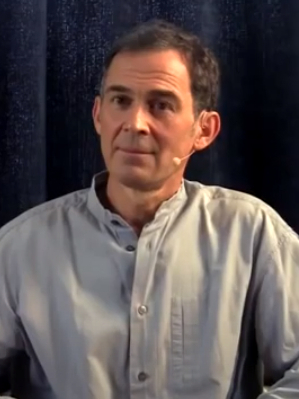
Rupert Spira's assertion that "The Self is the only reality" invites us to explore the profound depths of our own existence. This statement challenges the conventional understanding of reality, urging us to look beyond the transient and often illusory nature of the world around us. In a society that often prioritizes external validation and material success, recognizing the Self as the core of our being becomes a transformative journey, one that can lead to a deeper sense of peace and fulfillment.
To grasp the significance of this quote, we must first consider what is meant by "Self." In this context, the Self transcends the ego or the individual personality; it refers to a deeper, unchanging essence that connects us all. This understanding is not merely philosophical; it has practical implications for how we navigate our lives, relationships, and the challenges we face. By recognizing the Self as the only reality, we can begin to dissolve the barriers that separate us from one another and from the world, fostering a sense of unity and interconnectedness.
The image / the metaphor
The phrase "The Self is the only reality" evokes a powerful image of the Self as a luminous core, surrounded by layers of experience, perception, and thought. The use of the word "only" emphasizes the exclusivity of this reality, suggesting that all else—our thoughts, emotions, and external circumstances—are transient and ultimately secondary. This imagery invites us to peel back the layers of our existence, much like an onion, to reveal the essence that lies at the center, untouched by the fluctuations of life.
Diving deeper into this metaphor, we can envision the Self as a vast ocean, while our thoughts and experiences are akin to waves that rise and fall upon its surface. The ocean remains constant, regardless of the tumultuous activity above. This understanding encourages us to cultivate a sense of detachment from the waves of our thoughts and emotions, recognizing that they do not define us. Instead, we are invited to anchor ourselves in the stillness of the ocean, where the true nature of our being resides.
In the speaker's tradition
Rupert Spira's teachings are rooted in the non-dual tradition, which emphasizes the oneness of existence and the illusion of separation. Concepts such as *advaita* (non-duality) and *sunyata* (emptiness) resonate deeply within this framework, suggesting that the perceived dualities of self and other, subject and object, are ultimately illusory. In this light, the Self is not merely an individual entity but rather the universal consciousness that permeates all of existence, inviting us to recognize our interconnectedness with the cosmos.
Living the teaching
Consider a modern scenario where the teaching of the Self as the only reality can be applied: a workplace conflict. Imagine two colleagues who find themselves at odds over a project. Each is entrenched in their perspective, viewing the other as an adversary. However, if they were to recognize the underlying truth of their shared essence, they might approach the situation with greater empathy and understanding. By acknowledging that their true selves are not defined by their roles or opinions, they can foster collaboration rather than competition, transforming the conflict into an opportunity for growth.
In relationships, this teaching can be particularly transformative. When faced with a difficult moment—perhaps a disagreement with a loved one—one might instinctively react from a place of ego, defending personal viewpoints. However, if we pause to remember that the Self is the only reality, we can shift our focus from the surface-level conflict to the deeper connection we share. This perspective allows for compassion and understanding to flourish, enabling us to navigate challenges with grace and love, rather than fear and separation.
A reflection
As we contemplate the profound statement that "The Self is the only reality," we are invited to engage in a reflective practice. What does it mean for you to recognize the Self as your true essence? In moments of challenge or conflict, how might this understanding shift your perspective and interactions with others? Allow these questions to guide your contemplation, leading you toward a deeper understanding of your own reality and the interconnectedness of all beings.



Join the BrightStar Community
Stay connected with daily inspiration, event announcements, and community wisdom